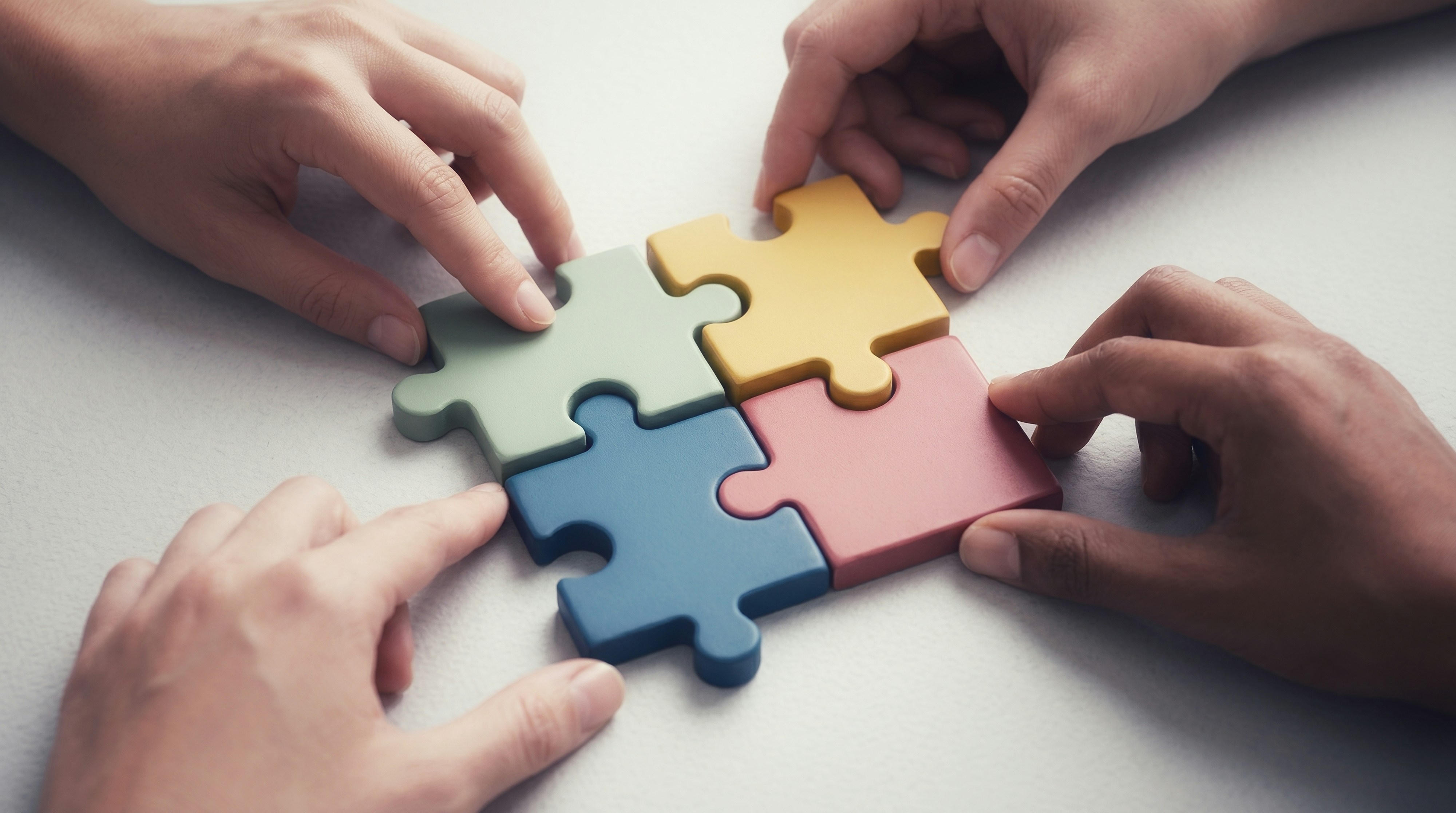
Self-reflection in relationships means developing awareness of how you show up in them.
Throughout my experience in therapeutic work, I have noticed a common pattern in many of the cases I encounter, particularly when working with couples or relationships of any kind (including children, parents, bosses, coaches, classmates, and others).
We often focus on what the other person does, what is missing, what we need, or how we want them to change. However, self-awareness within a relationship also involves looking at our own wounds, expectations, fears, defense mechanisms, and ways of loving.
Here are some questions that can help you explore your role in a relationship from a psychological and therapeutic perspective. My intention is to create a space for reflection and, hopefully, open the door to new conversations within your relationships.
Two Questions To Begin With
- What part of myself am I bringing into this relationship?
- What aspects of myself may be affecting the way we relate to each other?
These two questions, on their own, can open the door to new perspectives. They invite us to recognize that we are not simply observers in a relationship; we also shape how it develops, functions, and sometimes struggles.
This awareness does not mean taking responsibility for everything that happens in a relationship. Rather, it means recognizing our part and understanding how our patterns may influence the connection we share with others.
What Am I Bringing Into This Relationship?
The following questions help us explore who we are within a relationship, including our personal strengths, emotional resources, needs, fears, and expectations.
- Who am I when I am in a relationship?
- What positive aspects of myself do I share with others, including my partner?
- What do I offer emotionally? Affection, security, listening, respect, trust, or something else?
- What do I need to receive from my partner to feel loved?
- What experiences from my previous relationships am I bringing into this one?
- What did I learn in my family about love, intimacy, and conflict?
- What version of myself emerges when I feel loved, and what version appears when I feel neglected or emotionally threatened?
These questions invite us to recognize that our relationships are shaped not only by the people we choose, but also by the experiences, beliefs, and emotional patterns we carry.
How Might I Be Affecting This Relationship?
This next section invites us to observe ourselves and recognize our behaviors without falling into guilt or excessive self-criticism.
Meaningful changes in relationships often begin when we become aware of our own ways of relating and take steps to change them. When I change the way I participate in a relationship, I create the possibility for the relationship itself to change.
How Do I Communicate?
- How do I express my anger, frustration, or disappointment?
- Can I express what I need without attacking, criticizing, or blaming?
- Do I listen to understand, or do I listen to defend myself?
- What do I do when my partner points out something about me that hurts them?
- Do I use silence, distance, or indifference as a way to punish the other person?
- Can I acknowledge the impact of my words, even when I did not intend to hurt my partner?
- What conversations do I avoid because I am afraid of what they might reveal?
How Do I Relate Emotionally?
- Is it difficult for me to show vulnerability?
- Do I pull away when I experience too much closeness?
- Do I need to control certain situations to feel safe?
- Do I interpret differences as rejection?
- Do I struggle to trust, even when there is no current reason to distrust?
- Do I expect my partner to guess what I feel or need?
- What do I do when I feel that I am not important enough to my partner?
What Are My Expectations?
- Do I expect my partner to love me in the way I believe they should?
- Am I trying to change my partner so they will fit my needs?
- Do I have desires or expectations that I have never expressed?
- Do I expect my partner to repair wounds they may not have caused?
- Can I accept that my partner has an identity, needs, and desires that are different from my own?
- Am I confusing love with constant availability?
A New Opportunity for Our Relationships
I believe this is a wonderful time to set new goals—not only for what we want to receive from our relationships, but also for how we want to participate in them.
Perhaps we can begin by asking ourselves:
What kind of partner, parent, friend, or person do I want to become within my relationships?
Sometimes, we spend so much time waiting for the other person to change that we forget to explore the possibilities that exist within ourselves.
Self-awareness does not guarantee that a relationship will improve, nor does it mean that every relationship should be maintained. Some relationships may require boundaries, distance, or even an ending. (For more about finding grace in loss, read here.)
But understanding ourselves more deeply can help us make healthier decisions, communicate more authentically, and build relationships that reflect not only what we need, but also who we want to become. Every relationship offers us an opportunity to learn something about the other person—and something meaningful about ourselves.
Lisethe Salcido, LPC-Associate, works in our North Dallas and Flower Mound locations, as well as virtually. She is fluent in both English and Spanish.