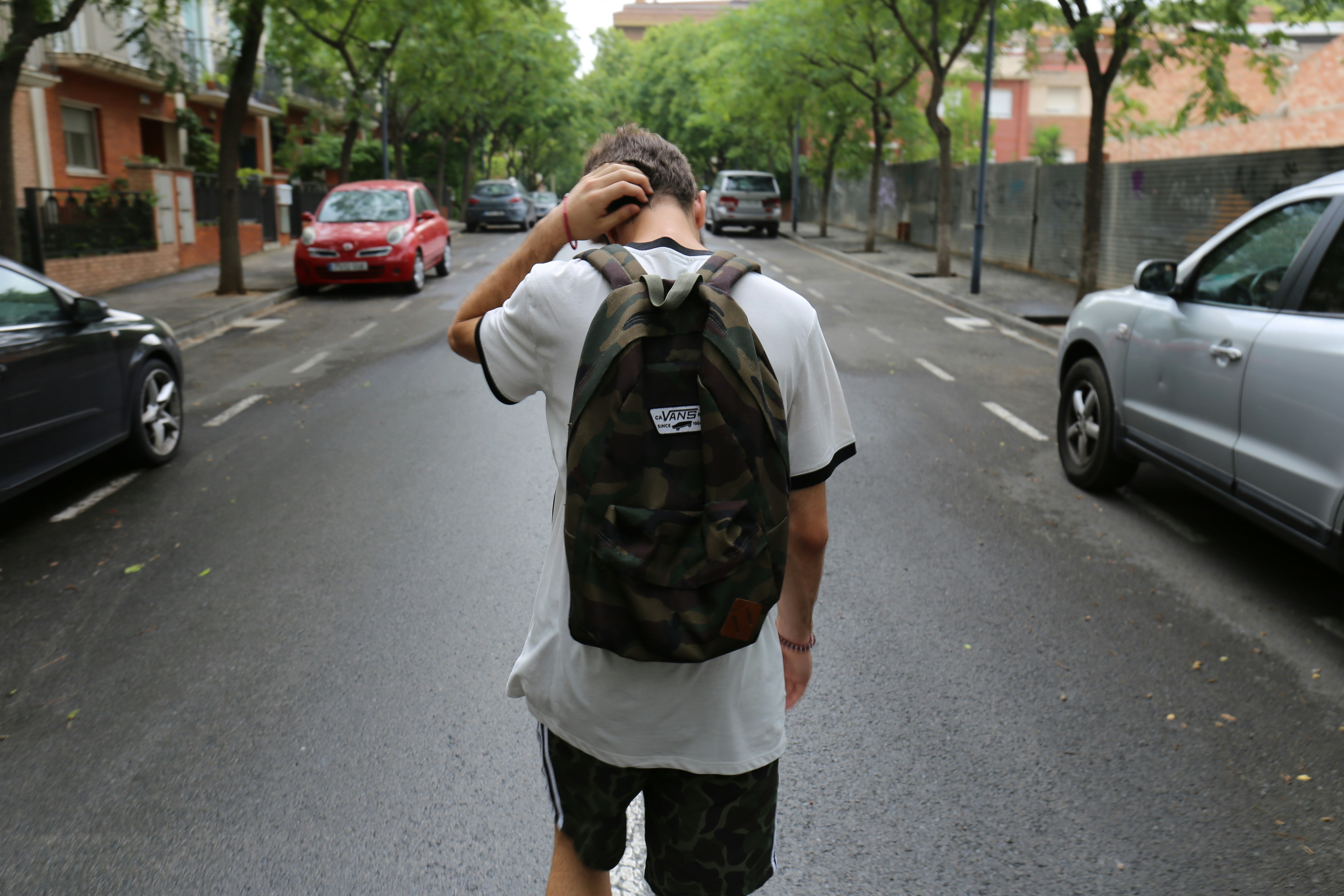
What does it mean to “discover your inner teenager”?
Many adults carry an inner teenager—a part of themselves that developed during adolescence in response to unmet emotional needs, family dynamics, and experiences of powerlessness, invalidation, or disconnection. While the inner child often represents vulnerability and dependency, the inner teenager represents the emerging need for autonomy, identity, authenticity, self-expression, and healthy boundaries. Psychologist Murray Bowen called this process “differentiation of self,” and it serves a vital human need.
The inner teenager is often activated when a person feels controlled, criticized, dismissed, misunderstood, unseen, or disrespected. Although these reactions may appear disproportionate in adulthood, they frequently reflect unresolved experiences from earlier developmental years. The purpose of this work is not to eliminate the inner teenager, but to understand, develop a relationship with, and integrate their strengths into adult life.
Common Inner Teenager Patterns
The inner teenager often develops protective strategies designed to reduce emotional pain or create a sense of safety. Here are a few common “inner teenager” patterns:
The Hero
The hero attempts to prevent problems by taking responsibility for everyone and everything. This part becomes highly focused on problem-solving, planning, fixing situations, and rescuing others. Beneath these behaviors is often a belief that no one else is capable of handling challenges appropriately. While the hero may appear competent and dependable, they frequently carry anxiety, exhaustion, resentment, and difficulty trusting others.
The Rebel
The rebellious teenager resists control and authority. This part may appear argumentative, defensive, sarcastic, oppositional, or emotionally reactive. The rebel often develops in environments where autonomy, individuality, or emotional expression were restricted. Underneath the anger is often a profound desire to be respected, understood, and allowed to make independent choices.
The Shut-Down or Pleasure-Seeking Teenager
Some inner teenagers cope through avoidance, distraction, numbing, or compulsive behaviors. They seek relief from emotional pain through stimulation or escape. These behaviors may include overworking, excessive screen time, compulsive shopping, food, relationships, sex, substances, gambling, exercise, or other forms of distraction. The goal is not pleasure itself but temporary relief from uncomfortable emotions that feel overwhelming or unsafe to experience.
The Function of Anger
Anger is one of the most common emotional expressions of the inner teenager. However, anger is often secondary to deeper feelings that remain hidden beneath the surface. These underlying emotions may include:
- Hurt
- Rejection
- Shame
- Fear
- Loneliness
- Grief
- Feeling unseen
- Feeling unsupported
- Feeling powerless
When these emotions cannot be safely expressed, anger often emerges as a protective response. Rather than asking, “How do I stop feeling angry?” it may be more useful to ask, “What pain is this anger protecting?”
Common Triggers
The inner teenager is often activated by experiences that resemble earlier emotional wounds. Common triggers include:
Criticism
Being judged, corrected, blamed, or disapproved of can create intense reactions, especially when criticism mirrors past experiences of feeling inadequate or controlled.
Boundary Violations
The inner teenager is highly sensitive to situations involving coercion, disrespect, manipulation, pressure, intrusion, or unfair treatment.
Feeling Unseen
Many inner teenagers carry unmet needs for recognition, validation, appreciation, and understanding. Situations that evoke feelings of invisibility or dismissal often trigger strong emotional responses.
Emotional Abandonment
When support, comfort, protection, or emotional availability are absent, old wounds can resurface. The resulting reactions may appear excessive in the present but often reflect historical experiences that remain unresolved for the inner teenager.
Survival Strategies
The inner teenager developed strategies that were originally intended to provide protection. These strategies may include:
- Controlling situations
- Rescuing others
- Arguing
- Defending
- Withdrawing
- Avoiding
- Numbing
- Distracting
- Pleasing
- Overachieving
- Isolating
- Seeking stimulation
Although these behaviors may create problems in adulthood, they were often adaptive responses during earlier periods of life. Understanding their original purpose helps replace self-judgment with compassion and curiosity.
When the inner teenager becomes activated, several clues may appear:
Emotional Clues
- Anger
- Defensiveness
- Resentment
- Irritability
- Impulsivity
- Distrust
- Emotional numbness
Cognitive Clues
- Black-and-white thinking
- Rumination
- Fantasies of escape
- Self-criticism
- Blaming others
- Obsessive focus on fairness
Physical Clues
- Tight jaw
- Headache
- Muscle tension
- Racing heart
- Restlessness
- Shallow breathing
- Increased agitation
Awareness of these signs allows the loving adult self to respond intentionally rather than automatically, with long-wired responses from the past.
Positive Qualities of the Inner Teenager
The inner teenager has many strengths that are valuable in adult life. You might notice that you admire or are envious of these traits in others. These qualities may include:
- Courage
- Passion
- Creativity
- Authenticity
- Humor
- Directness
- Strong boundaries
- Independence
- Idealism
- Determination
- A sense of justice
The goal is not to suppress these qualities but to support them in healthy and constructive ways.
Developing a Cooperative Relationship
Healing occurs through the development of trust between the adult self and the inner teenager. This process involves:
Listening
Giving attention to thoughts, emotions, reactions, and concerns without immediately trying to change them. Be genuinely curious about them.
Validation
Recognizing that feelings make sense within the context of past experiences.
Curiosity
Exploring reactions with openness rather than judgment.
The following questions can deepen understanding:
- What happened?
- What am I feeling?
- What do I need?
- What am I trying to protect?
Respecting Boundaries
The inner teenager often responds positively when autonomy and choice are honored.
Allowing Emotional Expression
Feelings do not need to be fixed immediately. They often need to be acknowledged, understood, and experienced safely. Allow feelings.
Exploring the Teenage Years
A useful way to understand the inner teenager is to revisit adolescence with curiosity.
Areas for reflection include:
- Family roles
- Experiences of criticism
- Experiences of rejection
- Feelings of not belonging
- Times when support was absent
- Situations that needed premature maturity
- Significant losses
- Sources of shame
- Attempts to gain approval
- Ways of coping with emotional pain
These reflections often reveal the origins of present-day emotional patterns.
Building Trust
The inner teenager becomes more cooperative when they experience consistency, respect, and protection from the adult self. Trust develops when the adult self:
- Keeps commitments
- Maintains healthy boundaries
- Validates emotions
- Offers reassurance
- Provides guidance without control
- Demonstrates reliability over time
As trust grows, reactive behaviors often decrease and healthier forms of self-expression emerge.
Integration
The ultimate goal is not to eliminate the inner teenager but to integrate them into a balanced internal system. When supported appropriately, the inner teenager contributes vitality, authenticity, passion, creativity, courage, and self-respect. The adult self provides perspective, wisdom, emotional regulation, and leadership.
Together they create a more complete and resilient sense of self—one capable of honoring emotions, maintaining boundaries, forming healthy relationships, and responding to life with greater flexibility and compassion.
Bianca Milliern, LPC, works in our Frisco and Plano offices, and is also available for virtual sessions.